01
Probabilistic UX
Certainty is a UX convention. AI breaks it.
Design for confidence, not certainty. Show what the system knows, what it doesn't, and what happens next.
001 · The Manifesto
I started as a musician, where I learned that craft makes expression possible. That belief has shaped twenty years of product design across Mercedes-Benz R&D, Amazon, Apple, and Google.
At Google, I designed for Geo and Search and built tooling for the first Gemini launch, earning a named contribution in the Gemini 1.0 technical paper. Today, I focus on AI infrastructure and developer tools.
My work connects what AI can do with what people need and trust it to do, making complex systems clear and keeping people in control.
002 · The Work
Selected work
Product and system design across AI, platforms, and consumer experiences, from strategy through launch.
Explore the work003 · Principles
Guiding principles
01
Probabilistic UX
Design for confidence, not certainty. Show what the system knows, what it doesn't, and what happens next.
02
Human–AI Collaboration
Give people clear recommendations. Let them choose when to delegate and when to take over. Make it easy to question, correct, and undo.
03
Invisible Guardrails
Build constraints into the interaction itself. Guide people toward safe choices without breaking the flow.
04
Learn Through Making
Make ideas tangible early. Test the hard moments with real people. Refine what matters.
004 · The Notebook
Prototypes, Articles and Experiments
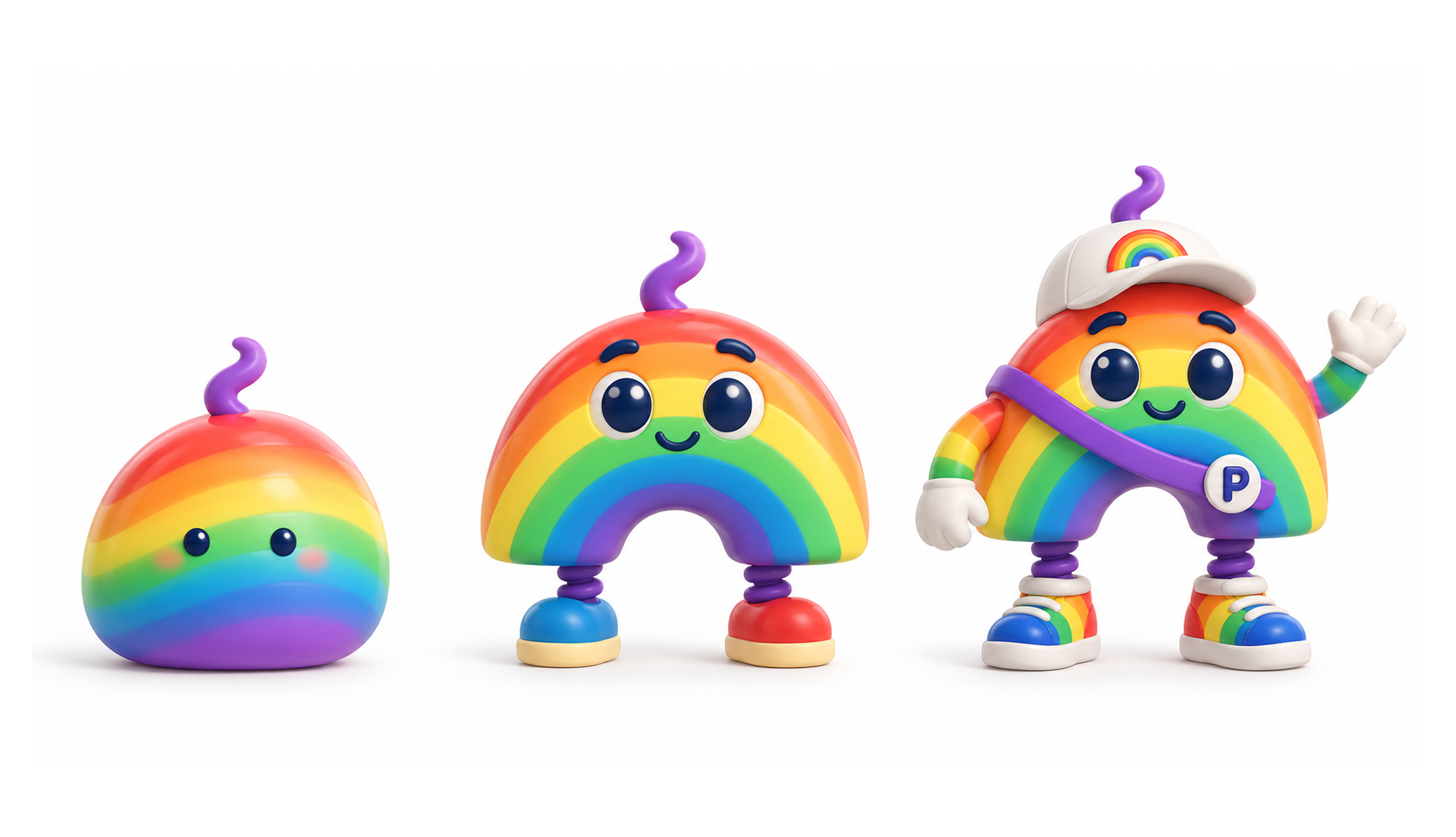
A family game designed to turn a few minutes of screen time into movement, invention, and play together.
Read article →Building PITCHFLO around anticipation, momentum, and shared ritual.
Open prototype →An interactive field of particles shaped by orbit, wind, and flow.
Open experiment →005 · Design Notes
Living design document
A description of the portfolio’s structure, visual language, interaction, and conceptual approach. Available as editorial view and portable Markdown.
View DESIGN.md006 · Get in Touch
Latency as interface, applied
Choose a starting point and I’ll draft a note for you.
A starting draft